
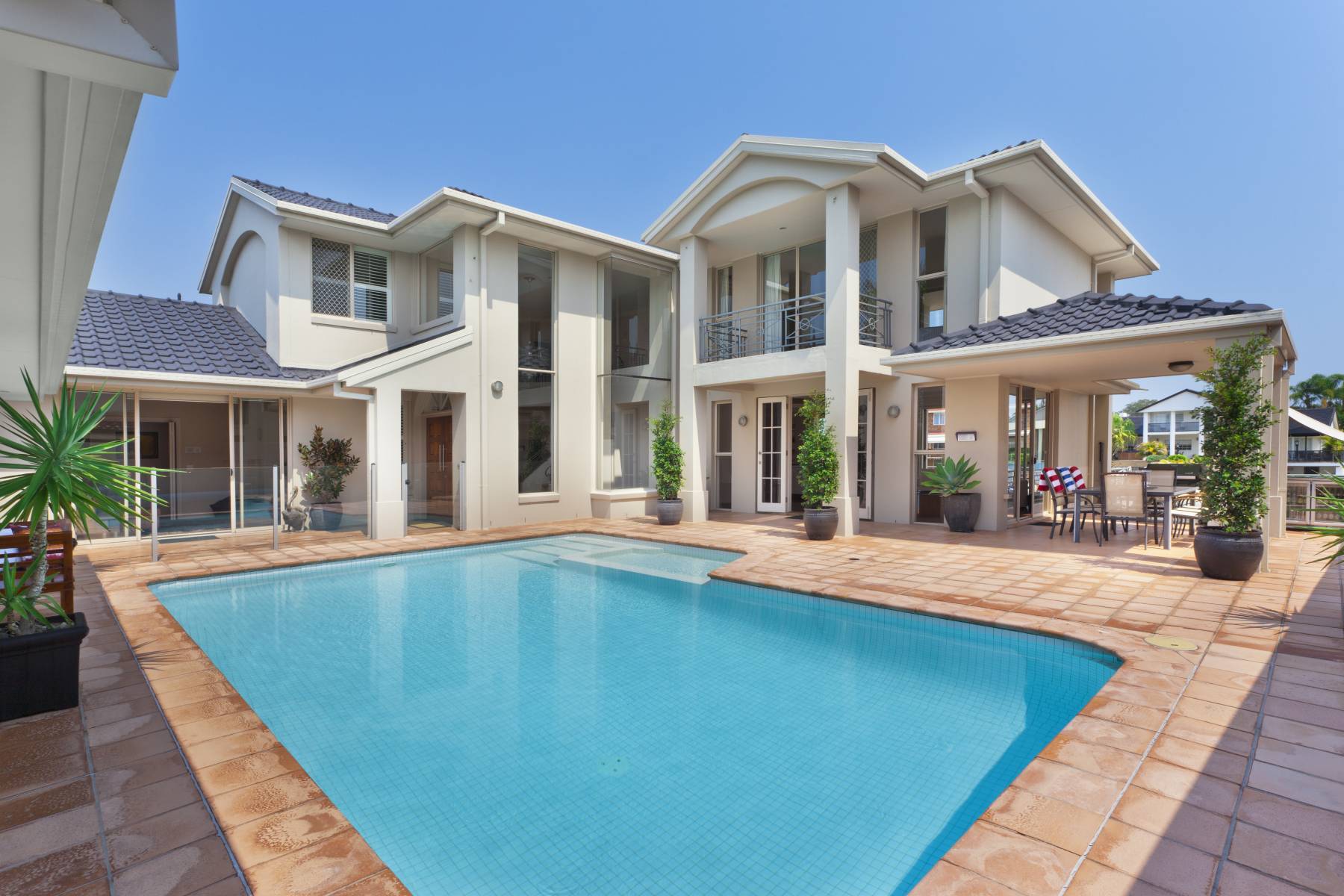
Cape Coral is one of the most pool-dense cities in the entire country. With its network of canals, year-round sunshine, and outdoor-first lifestyle, a backyard pool or spa is not a luxury here, it is practically standard equipment. For buyers purchasing a home in Cape Coral, Fort Myers, or anywhere across Southwest Florida, the pool is often a significant part of what makes a property desirable. But it is also one of the most expensive systems on the property to repair, and one that a standard home inspection does not fully evaluate. A pool and spa inspection in Southwest Florida is the targeted service that gives buyers and homeowners the complete picture of what they are actually buying into.
What a Standard Home Inspection Does Not Cover
A full home inspection is comprehensive by design, covering the roof, structure, electrical, plumbing, HVAC, and dozens of other systems. But the pool and spa are specialized systems with their own equipment, plumbing, electrical connections, and structural components that require specific expertise and evaluation methods to properly assess. Most standard home inspections will note obvious, visible concerns around a pool area — a cracked coping stone, a rusted railing, an unlocked gate — but they do not perform a working evaluation of the pool’s pump, filter, heater, automation systems, plumbing lines, or the structural integrity of the shell itself.
In Southwest Florida, where pools are operated continuously throughout most of the year and exposed to intense UV radiation, salt air, and the aftermath of seasonal storms, the gap between what a general inspector observes and what a pool inspector evaluates can be significant.
What a Pool and Spa Inspection Covers
A pool and spa inspection in Southwest Florida is a thorough, working evaluation of every major component of the pool and spa system. The inspector runs the equipment through its operating cycles, assesses the condition of each component, and documents findings with the same level of detail provided in a full home inspection report.
The pool structure itself is evaluated for cracks, delamination, surface deterioration, and any signs that the shell has shifted or settled. In Southwest Florida’s sandy, moisture-rich soil conditions, ground movement beneath a pool is not uncommon, and early signs of structural concern are far less expensive to address than a compromised shell discovered after purchase.
The pool equipment pad is evaluated in full: the pump, filter, heater or heat pump, chlorinator or salt system, automation controls, and any additional equipment present. Pool equipment in Southwest Florida works hard. The combination of heavy year-round use, high ambient temperatures, and salt air exposure accelerates wear on motors, seals, and electronic components. Equipment that appears intact from the outside may be operating at reduced efficiency or approaching the end of its useful life.
The electrical systems associated with the pool, including bonding, grounding, GFCI protection, and the equipment panel, are assessed carefully. Proper pool electrical safety is not something to take for granted in a wet environment, and deficiencies in pool bonding or grounding are both a safety risk and a code compliance issue that can complicate insurance and future sale.
The plumbing lines, returns, suction ports, skimmers, and any water features are evaluated for proper operation and visible deficiencies. Leaks in underground pool plumbing can cause significant water loss, erosion around the pool structure, and damage to surrounding hardscape without ever being obvious from the surface.
The surrounding deck, coping, tile line, and safety features including fencing, gate latches, and barrier compliance are all documented as well.
Why Pool Condition Matters So Much in the Cape Coral Market
A pool in Southwest Florida is not a seasonal amenity, it is a year-round system that sees constant use and constant exposure. The replacement cost for major pool equipment components in the Cape Coral and Fort Myers market is substantial: a pool heater replacement can run several thousand dollars, a full pump and filter overhaul approaches similar figures, and resurfacing a pool shell is a project that can easily exceed ten thousand dollars depending on the size and finish chosen.
For buyers, understanding the current condition and approximate remaining service life of the pool equipment before closing allows for informed negotiation and realistic budgeting. For current homeowners, a pool inspection provides a documented baseline that helps prioritize maintenance and avoid the kind of deferred wear that turns a manageable repair into a major expense.
When to Schedule a Pool and Spa Inspection
The ideal time is during the home purchase process, either alongside the standard home inspection or as a coordinated follow-up. HomeSmith Inspections offers pool and spa inspections as part of a comprehensive approach to evaluating Southwest Florida properties, ensuring that one of the home’s most significant features receives the attention it deserves.
Current homeowners who have not had their pool professionally evaluated in recent years, or who have noticed changes in water clarity, equipment noise, water loss, or electrical concerns around the pool area, should also consider scheduling a standalone inspection. Catching developing issues early is consistently less expensive than addressing them after failure.
Frequently Asked Questions About Pool and Spa Inspections
Does a standard home inspection include the pool and spa? A standard home inspection covers general, visible observations around the pool area but does not include a full working evaluation of the pool’s equipment, structural condition, plumbing, and electrical systems. A pool and spa inspection is a separate, specialized service that provides that comprehensive assessment.
What are the most common issues found during a pool inspection in Southwest Florida? The most frequently documented findings in the region include aging or failing pump and filter equipment, deteriorating pool surfaces and coping, improper or missing bonding and grounding on electrical systems, leaking plumbing lines, and non-compliant pool barrier fencing. Southwest Florida’s environment accelerates wear on all of these components compared to pools in cooler, drier climates.
How much does it cost to fix a pool problem found during inspection? Costs vary widely depending on the issue. Minor equipment repairs and seal replacements may run a few hundred dollars. Motor replacements, heater replacements, and automation system repairs can run into the thousands. A full pool resurfacing project ranges from several thousand dollars to well over ten thousand. Knowing what is present before purchase allows buyers to budget and negotiate accordingly.
Is pool safety compliance checked during a pool inspection? Yes. Pool barrier fencing, self-closing and self-latching gate hardware, and other safety features required under Florida law are evaluated as part of a pool and spa inspection. Florida has specific requirements for residential pool barriers, and deficiencies are documented in the inspection report.
What does pool bonding mean and why does it matter? Pool bonding is an electrical safety requirement that connects all conductive components of the pool system, metal equipment, fittings, reinforcement, and water, to a common grounding system. Proper bonding prevents the buildup of voltage differentials in the water that can cause electric shock. It is a critical safety feature and one that inspectors evaluate carefully during a pool inspection.
Can a pool inspection help with negotiations? Absolutely. Documented findings from a professional pool and spa inspection give buyers specific, accurate information to use in negotiations with the seller. Equipment nearing end of life, structural concerns, or safety deficiencies can support requests for repair credits or price adjustments before closing.
In Southwest Florida, the pool is part of the home, and it deserves the same level of professional scrutiny as everything else. HomeSmith Inspections provides thorough pool and spa inspections in Southwest Florida for buyers and homeowners throughout Cape Coral, Fort Myers, and the surrounding region. Schedule your inspection today and know exactly what you are getting into.