
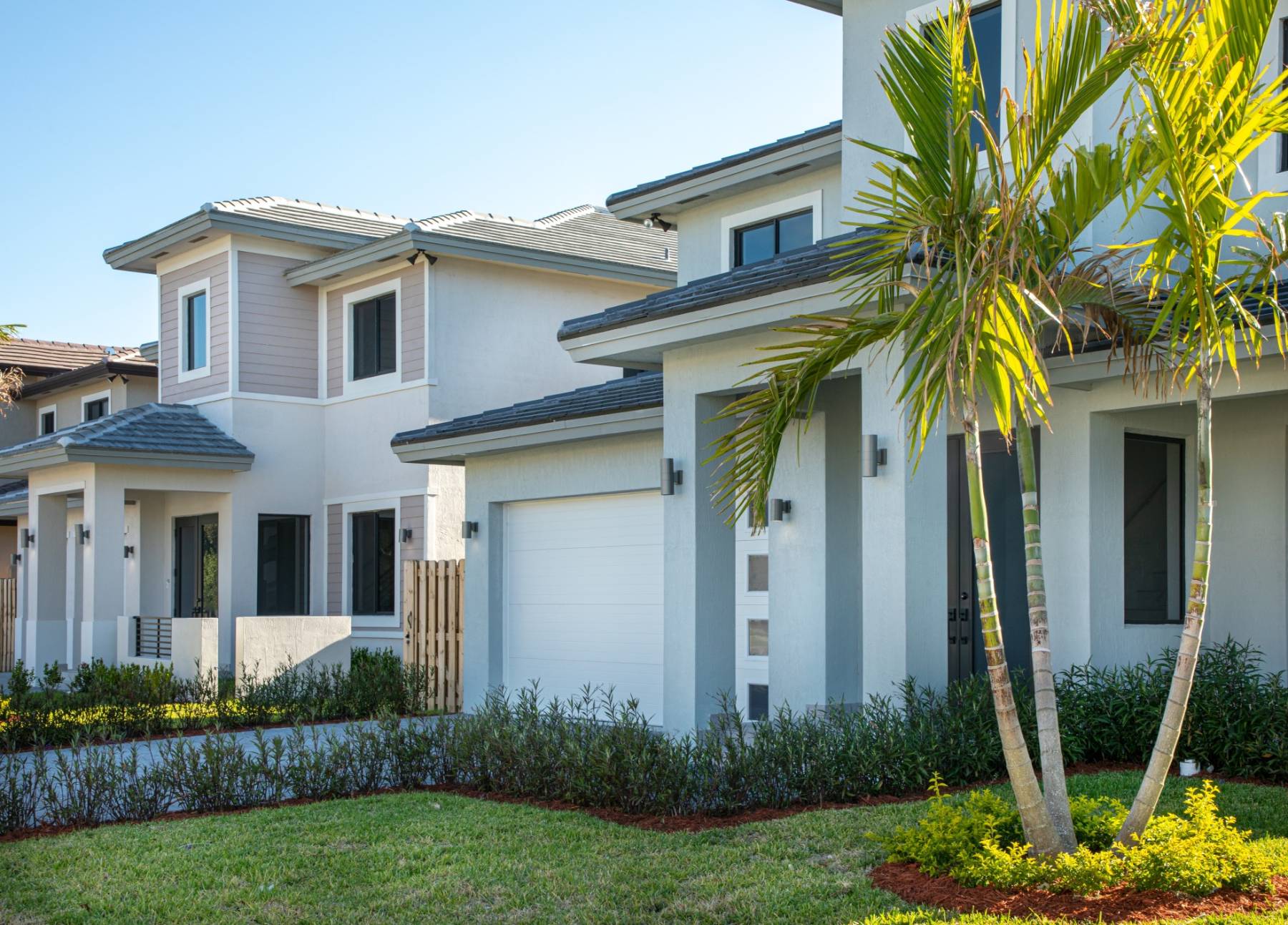
If you own a home in a high-wind region, a wind mitigation inspection can be one of the most practical steps you take to protect both your property and your wallet. Rather than focusing on general condition or cosmetic issues, a wind mitigation inspection documents how your home is built to handle strong winds and severe storms. This information plays a major role in insurance decisions and, in many cases, can lead to meaningful premium reductions.
What a Wind Mitigation Inspection Really Tells You
A wind mitigation inspection is essentially a snapshot of how your home stands up to wind stress. Instead of looking for defects, it focuses on protective features that reduce the chance of storm damage. These inspections help answer one important question for insurance providers and homeowners alike: how resilient is this structure when extreme weather hits?
Homes that can demonstrate stronger wind-resistant construction are statistically less likely to suffer catastrophic damage. A wind mitigation inspection documents these strengths clearly and consistently, giving insurers the data they need to assess risk accurately.
Why Wind Mitigation Inspections Matter More Than Ever
Storm activity and insurance costs have both increased in recent years, making wind mitigation inspections more valuable than ever. Insurance providers are tightening underwriting standards, especially in wind-prone regions, and homeowners are often asked to prove what protective features their homes actually have.
A wind mitigation inspection provides that proof. It can help prevent coverage delays, reduce the chance of policy nonrenewal, and often results in insurance credits that lower premiums. For homeowners planning upgrades, the inspection can also highlight which improvements offer the most benefit from an insurance perspective.
Key Areas Reviewed During a Wind Mitigation Inspection
Wind mitigation inspections focus on construction features that reduce wind damage risk. One of the most important areas evaluated is how the roof is secured to the structure. Strong roof-to-wall connections help prevent uplift during high winds and are a major factor in insurance credits.
The shape of the roof is also reviewed. Certain designs distribute wind forces more evenly and perform better during storms. Inspectors document roof geometry because it directly affects how wind pressure interacts with the structure.
Openings in the home receive close attention as well. Windows, doors, and garage doors are evaluated to determine whether they are impact-rated or protected by approved systems. Preventing wind-driven debris from breaching the home is critical to reducing internal pressure buildup during storms.
Another area of focus is secondary water resistance. This refers to additional protective layers beneath roof coverings that help limit water intrusion if exterior materials are damaged. While not present in every home, this feature can significantly reduce storm-related water damage.
How Wind Mitigation Inspections Fit Into the Bigger Picture
Unlike a home inspection or a 4 point inspection, a wind mitigation inspection is not about identifying problems that need repair. It is about documenting construction details and materials that already exist. The inspection does not assign a pass or fail result. Instead, it records which features qualify for insurance credits and which do not.
This makes wind mitigation inspections especially useful for homeowners who have made upgrades over time. Roof replacements, window upgrades, or structural reinforcements may already be in place but not reflected in insurance records. The inspection bridges that gap.
Getting the Most Out of Your Inspection
Preparation is less about repairs and more about access and documentation. Making sure the inspector can view the attic, roof structure, and exterior openings allows for accurate reporting. If permits, product approvals, or installation records are available, they can help confirm qualifying features.
Even if a home does not qualify for every possible credit, the inspection still provides value. It creates a clear record of what exists today and helps homeowners make informed decisions about future improvements that could increase protection and reduce insurance costs.
What Happens After the Inspection
After the wind mitigation inspection is complete, homeowners receive a standardized report outlining the protective features found. This report is submitted to the insurance provider, who then applies any eligible credits to the policy.
In many cases, homeowners see immediate savings. In others, the report serves as a guide for upgrades that may offer future benefits. Either way, the inspection provides clarity and removes guesswork from the insurance process.
FAQs About Wind Mitigation Inspections
- What types of homes benefit from wind mitigation inspections
Any home in a wind-prone area can benefit, especially when purchasing insurance or renewing a policy. - How long does a wind mitigation inspection take
Most inspections take between 30 and 60 minutes depending on home size and roof access. - Can a home fail a wind mitigation inspection
No. The inspection simply documents features and determines eligibility for insurance credits. - How long are wind mitigation inspection reports valid
Many insurers accept reports for several years, though requirements vary by provider. - Is a wind mitigation inspection the same as a home inspection
No. Home inspections evaluate overall condition, while wind mitigation inspections focus strictly on wind-resistant construction features.
Wind mitigation inspections are a proactive step toward protecting your home and controlling insurance costs. By understanding how your home is built to withstand storms, you gain insight, confidence, and potential savings that extend well beyond the inspection itself.